Amentum Helps Welcome Next-Generation Air Force Helicopters to Joint Base Andrews
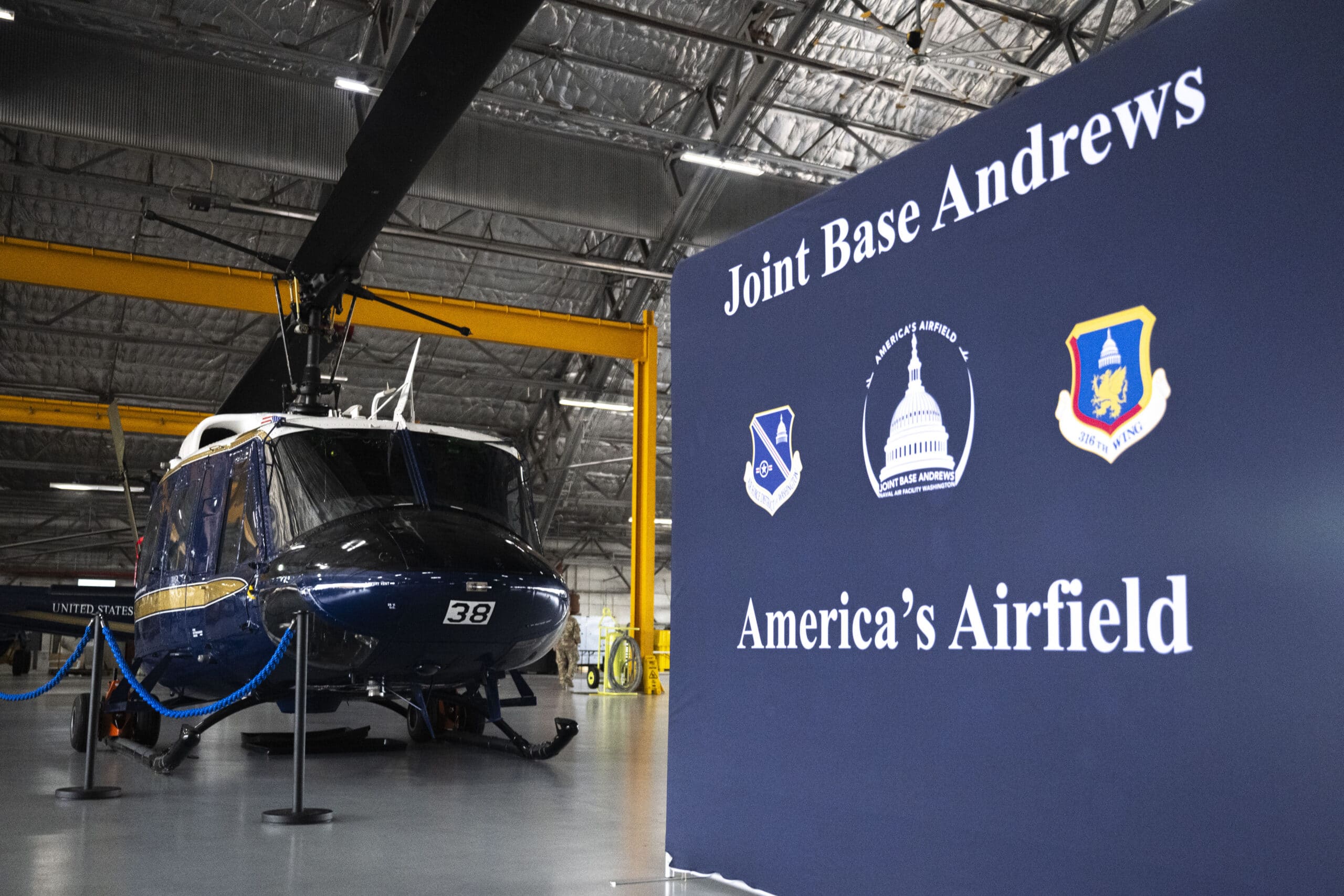
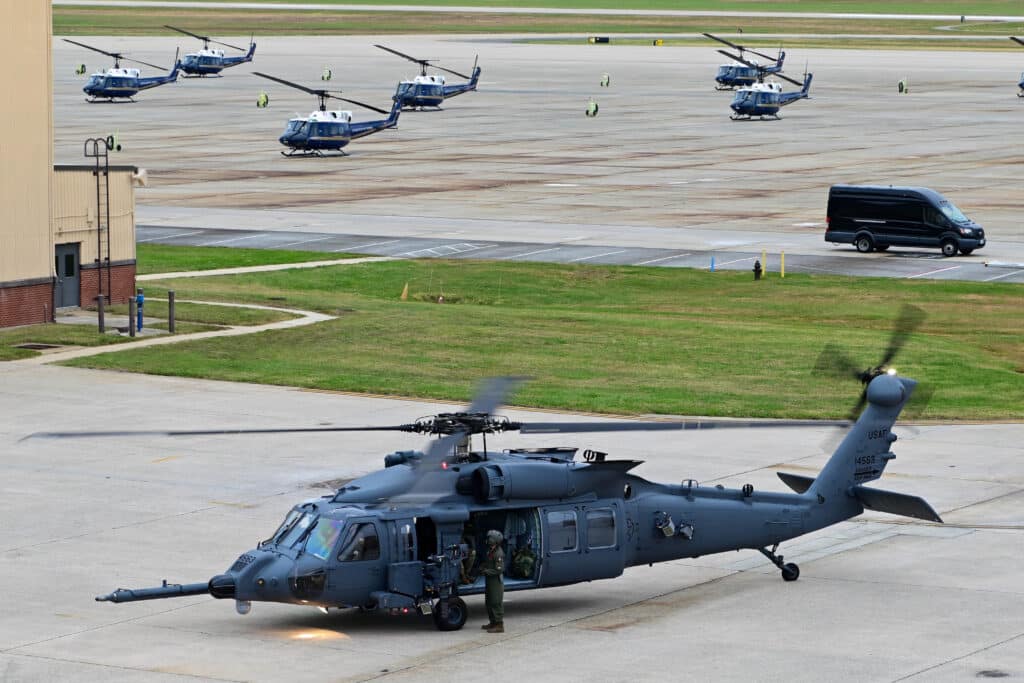
Amentum recently joined Air Force leaders, service members and guests at Joint Base Andrews to welcome the first HH-60W Jolly Green II helicopter. The ceremony marked more than the arrival of a new aircraft; it signaled the beginning of a transition from the Vietnam-era UH-1N Huey fleet to a modern platform equipped for the demands of today’s mission.
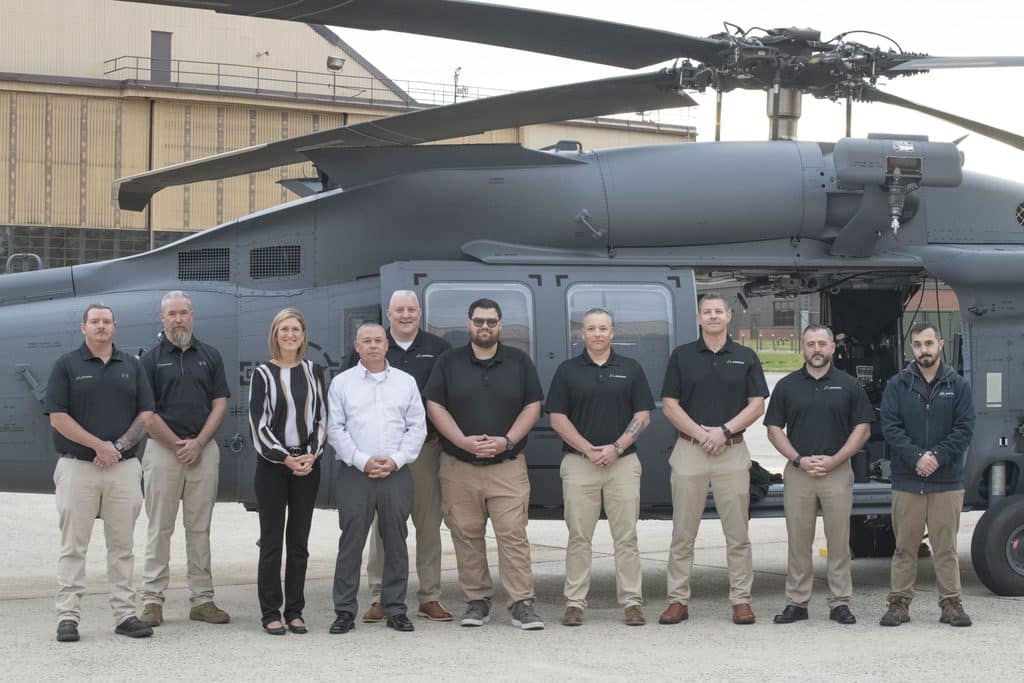
The new Jolly Green II will be used to train the on-site team accustomed to supporting the smaller Huey airframe with its analog system. The Huey was designed primarily for utility and medevac purposes, with limited flexibility for adaption.
“HH-60W strengthens our ability to provide a 24/7, 365-day response capability while also improving safety and reliability for the crews who fly and maintain them,” said U.S. Air Force Col. Karl W. Seekamp, 316th Wing and installation commander.
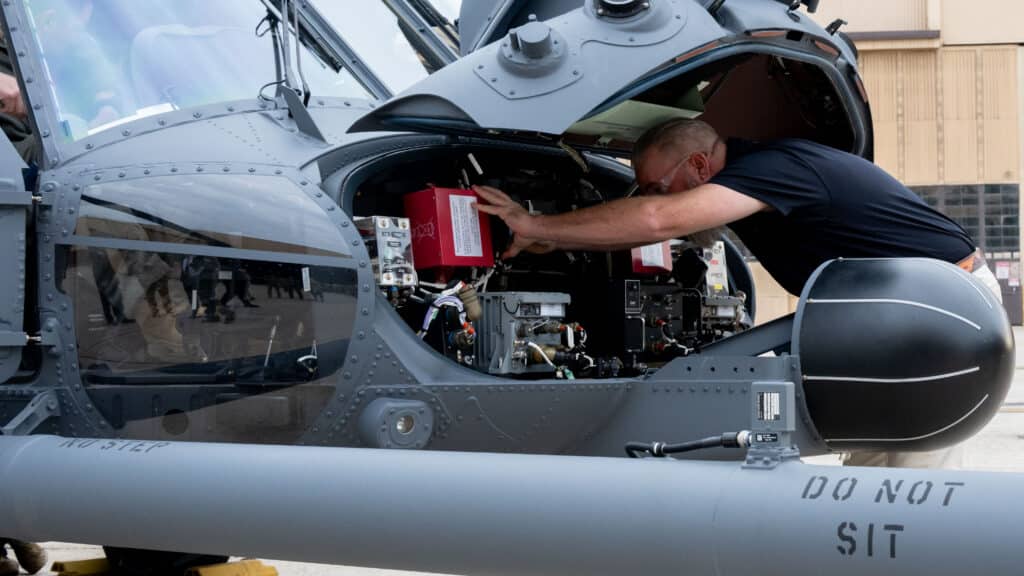
Amentum is contracted to provide comprehensive maintenance services for the 1st Helicopter Squadron’s fleet. Their work ensures these helicopters remain continuously airworthy.
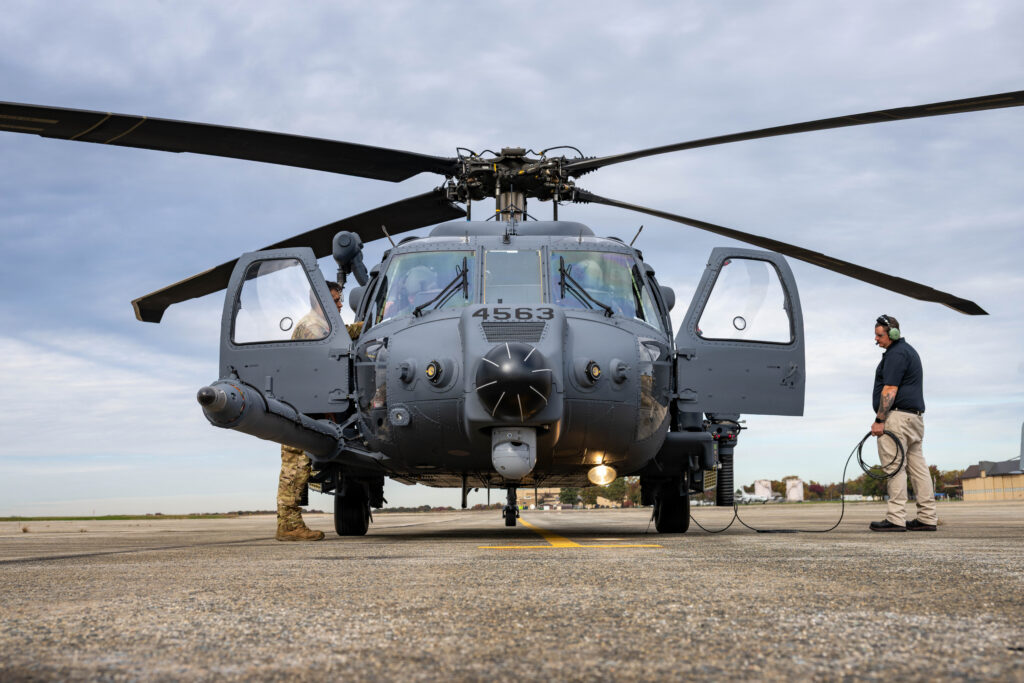
“Although the HH-60W is already in operation at other locations, the arrival of the first to Andrews is ceremonious because of the 316th’s unique mission to ensure continuity of the U.S. government,” said Josh Kirscher, Amentum deputy program manager for aviation solutions at Andrews. “The aircraft have to be ready at a moment’s notice. Amentum is responsible for ensuring aircraft are prepared to transport national leaders any time they’re needed.”
Located outside of Washington, D.C., Andrews is best known as America’s Airfield for its special air mission to transport senior government and military leaders. The 316th Wing provides security, personnel, and supports contingency operations for the nation’s capital with immediate access to rotary assets.
A fleet of 26 Hueys dating back to the Vietnam War era currently operate at Andrews, which has been operating UH-1N Hueys since 1971. As they’ve aged, replacement parts have been harder to find and require increasingly specialized maintenance support to remain mission capable, making sustainment of the fleet more challenging.
Modernization efforts are helping address that challenges through advanced avionics, digital systems, improved flight-management capabilities and enhanced mission performance. These upgrades are designed to provide aircrews with greater situational awareness, operational flexibility and mission effectiveness.
Michael Schnadenberg, Amentum’s rotary wing program manager, will lead transition of the new Jolly Green II into service at Andrews. A recently retired Air Force senior master sergeant who served as a maintenance superintendent for the 89th Executive Airlift mission, Schnadenberg said there will be a learning curve to the new platform.
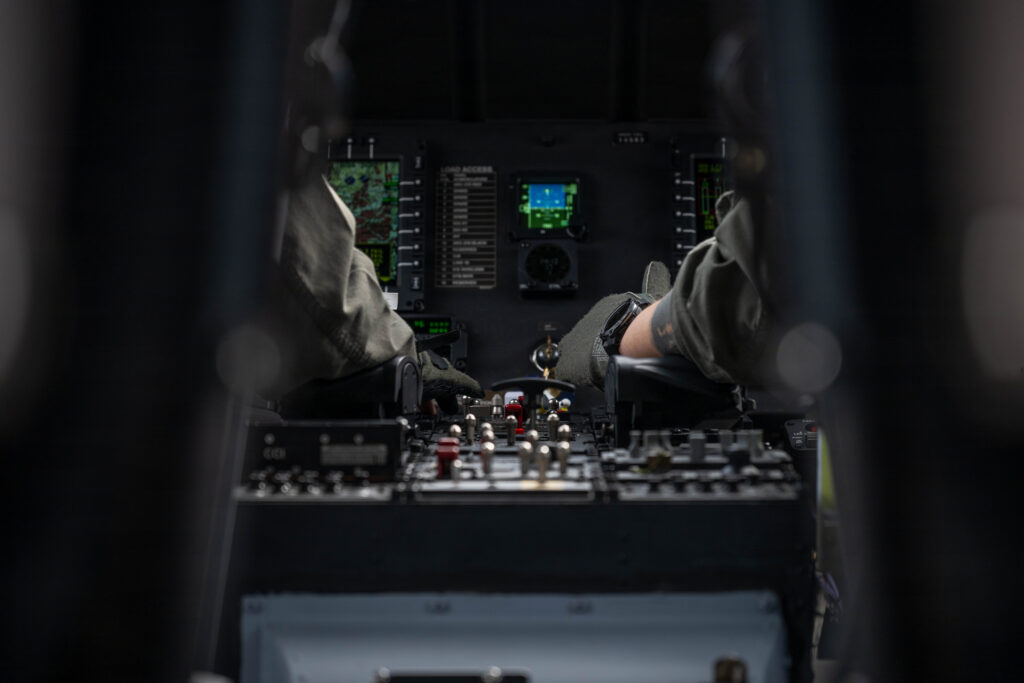
“The avionics are a huge upgrade from anything the HH-60 community has seen,” Schnadenberg said, calling the HH-60W a “flying computer.”
The HH-60W is armored with onboard self-defense and designed with multiple missions in mind. It includes advanced communications, a LINK-16 tactical data link, tactical moving maps and Automatic Dependent Surveillance-Broadcast, an aviation surveillance technology using GPS or onboard sensors to determine its position.
Schnadenberg added, “Up to 26 HH-60Ws will eventually replace the Hueys with four expected by the end of the calendar year. The aircraft and personnel will phase-in through a train-the-trainer process while Amentum maintains the current fleet and integrates the new. None of this would been possible without the strong partnership built between Amentum management and the 316th maintenance and operations leadership.”
Schnadenberg is in the process of hiring mechanics, flightline support and a management team at Andrews. Successfully managing the transition from legacy fleets to advanced aircraft requires careful planning to ensure there is no gap in mission readiness.
The arrival of the HH-60W heralds a broader transition taking place across the Air Force as units evolve from legacy platforms to next-generation systems designed to enhance operational effectiveness, reliability and mission responsiveness.
“For more than five decades, this installation has been home to aircraft and Airmen dedicated to saving lives, protecting our nation’s most critical assets and responding when America calls,” Col. Seekamp said. “Today, we continue that legacy with a platform built for the challenges of the future.”